
A practical guide to the electric vans available in the UK, how their running costs compare to diesel, and what grants are available for businesses.
Here we look at some of the key factors to consider before switching your vans to electric.
Well suited
Short, predictable routes with return to base. Overnight depot charging keeps vans topped up. Most electric vans offer more than enough range for urban and suburban delivery rounds.
Well suited for most
Electricians, plumbers, and similar trades with predictable daily mileage and access to overnight charging at home or at a depot. Check payload against the tools and materials you carry.
Consider carefully
Vans covering 200+ miles daily on motorways will need to factor in rapid charging stops. Motorway driving reduces real-world range more than urban use. Possible but requires route planning.
Check the numbers
Electric vans typically carry slightly less than diesel equivalents due to battery weight. If you regularly load close to the maximum payload of your current van, compare the specific figures before committing.
There is still some government support available to help businesses with the cost of switching to electric vans.
Up to £5,000
Up to £2,500 for small vans and £5,000 for large vans, applied at the point of purchase for eligible new zero-emission vans. Applied automatically by the dealer.
Source: GOV.UK / OZEV
Up to £500/socket
Covers up to 75% of the cost of installing EV chargepoints at your business premises, up to 40 sockets. Extended for a final year until 31 March 2027.
Source: GOV.UK / OZEV
Full tax relief
Zero-emission vans qualify for 100% first-year capital allowances, meaning the full purchase cost can be deducted from taxable profits in the year of purchase.
Source: GOV.UK / HMRC
Government targets are pushing more electric vans onto the market, which means more choice and more competitive pricing.
The Zero Emission Vehicle Mandate requires manufacturers to ensure a rising percentage of new van sales are zero-emission each year. In 2026, 24% of new vans sold must be fully electric. This rises to 34% in 2027, 46% in 2028, 58% in 2029, and 70% by 2030.
Manufacturers who miss these targets face penalties of £9,000 per non-compliant van. This creates strong commercial pressure to sell electric vans, which in practice means more competitive lease deals, better residual values, and a wider choice of models coming to market.
For businesses, the practical effect is that electric van options are improving rapidly. New models are launching with longer ranges, higher payloads, and lower lease costs than even 12 months ago. Waiting may feel safer, but the best deals are often available now as manufacturers push to meet their targets.
Source: GOV.UK, Vehicle Emissions Trading Schemes Order 2023.
Here is an illustrative example of how the day-to-day costs of running an electric van compare to diesel.
| Cost area | Electric van | Diesel van |
|---|---|---|
| Fuel / energy cost per mile | 6-9p (electricity) | 18-25p (diesel) |
| Annual fuel cost (15,000 miles) | £900-1,350 | £2,700-3,750 |
| Vehicle Excise Duty (road tax) | £0 (zero-emission exempt) | £290+/year |
| Servicing | Lower (fewer moving parts, no oil changes) | Higher |
| Brakes | Lower (regenerative braking reduces wear) | Standard replacement schedule |
| Tyres | Similar or slightly higher (heavier vehicle) | Standard |
Electricity cost based on average domestic rate of approximately 24p/kWh and typical van efficiency of 3-4 miles/kWh. Diesel cost based on approximately £1.45/litre and 30mpg. Figures are indicative and will vary by vehicle, usage, and energy tariff.
For a van covering 15,000 miles a year, switching from diesel to electric could save between £1,350 and £2,400 on fuel alone. Add in road tax savings and lower servicing costs, and the total running cost saving is substantial even before accounting for any grant support.
While most businesses choose to lease electric vans for the tax advantages and lower upfront cost, purchasing outright is also an option. There are a growing number of electric vans for sale in the UK from all major manufacturers, and the Plug-in Van Grant applies to both purchased and leased vehicles. Used electric vans are beginning to appear on the second-hand market as early leases end, though availability is still limited compared to diesel. Whether you choose an electric van lease or purchase outright, the running cost savings begin immediately.
Annual battery electric van registrations and market share, 2022 to 2025.
Source: SMMT. 2024 figure approximate (SMMT reported demand as static year-on-year). Cumulative parc figure: Zapmap, May 2026.
Here is a look at the best electric van options currently available in the UK, covering range, payload, and cargo volume.
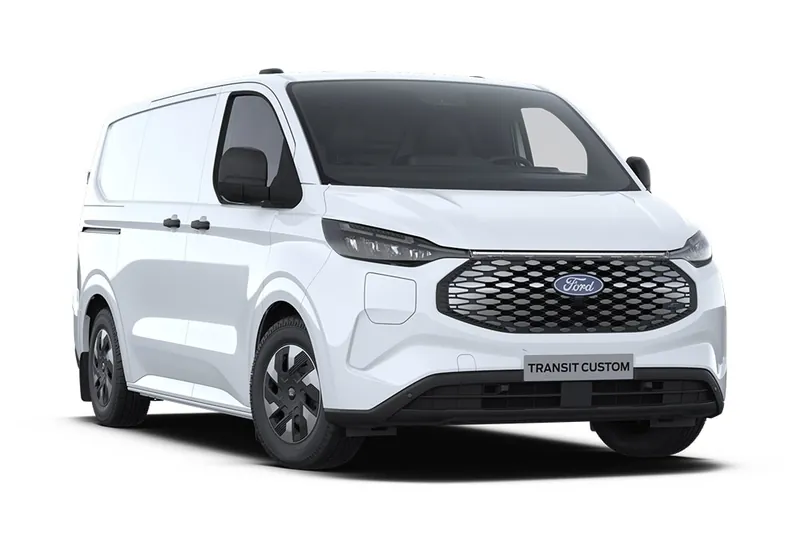
up to 196 miles
WLTP Range
up to 1,616kg
Max Payload
up to 12.4m³
Cargo Volume
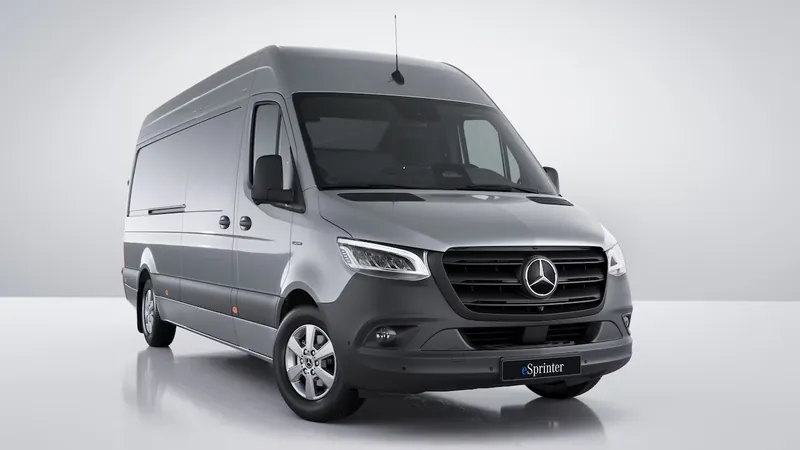
up to 248 miles
WLTP Range
up to 1,045kg
Max Payload
up to 14.0m³
Cargo Volume
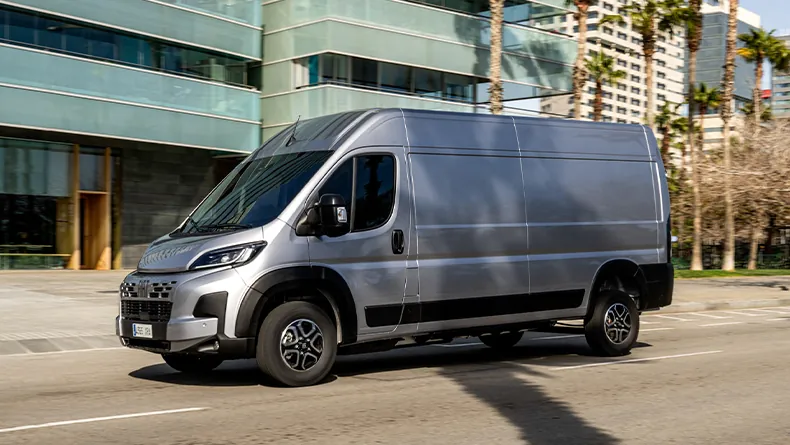
up to 230 miles
WLTP Range
up to 1,050kg
Max Payload
up to 17.0m³
Cargo Volume
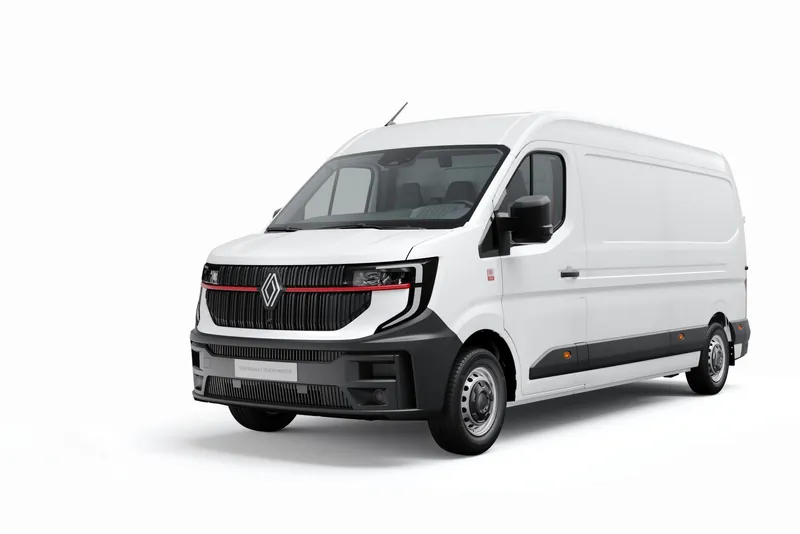
up to 200 miles
WLTP Range
up to 1,490kg
Max Payload
up to 15.0m³
Cargo Volume
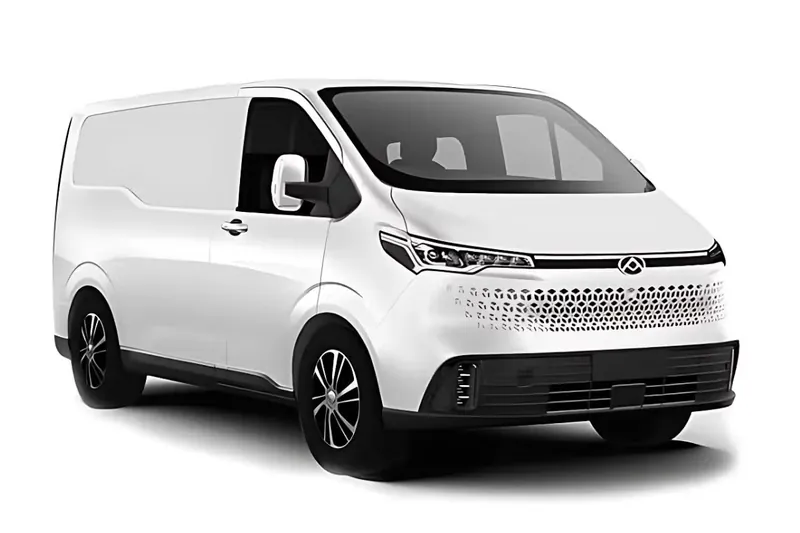
up to 200 miles
WLTP Range
up to 1,080kg
Max Payload
up to 12.3m³
Cargo Volume
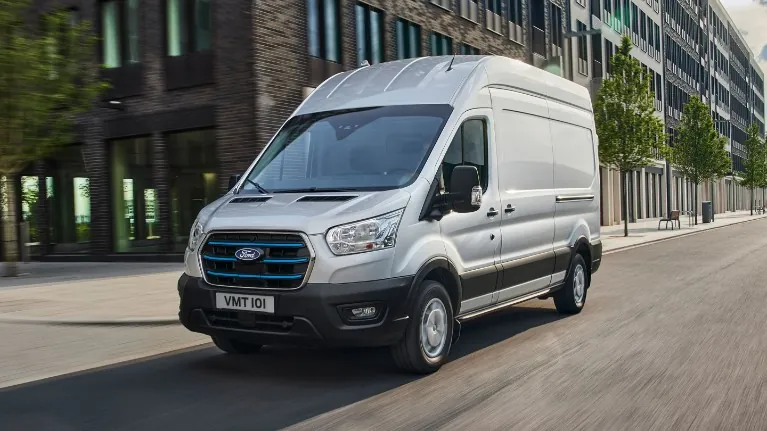
up to 236 miles
WLTP Range
up to 1,100kg
Max Payload
up to 5.8m³
Cargo Volume
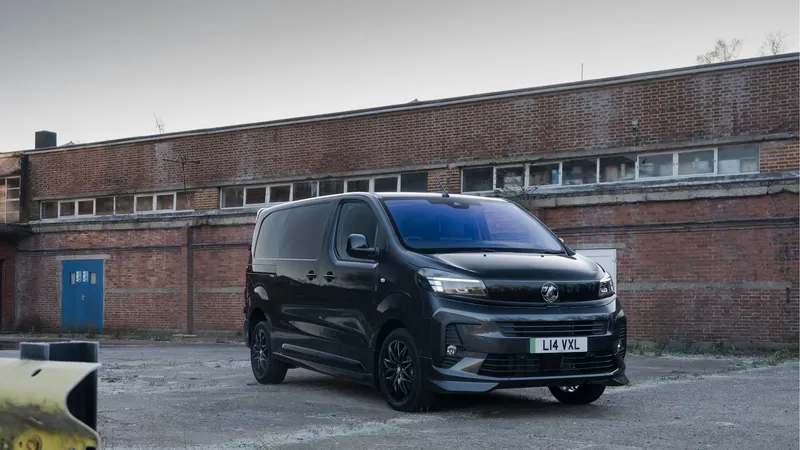
up to 205 miles
WLTP Range
up to 1,089kg
Max Payload
up to 6.6m³
Cargo Volume
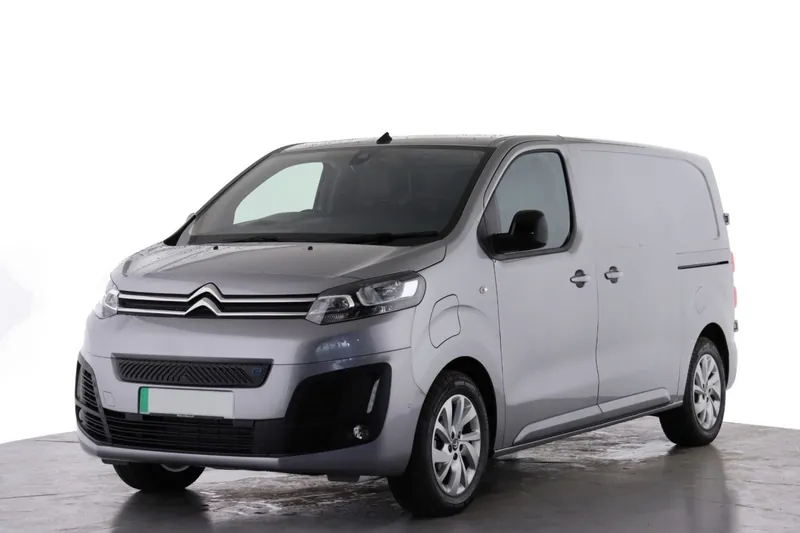
up to 205 miles
WLTP Range
up to 1,089kg
Max Payload
up to 6.6m³
Cargo Volume
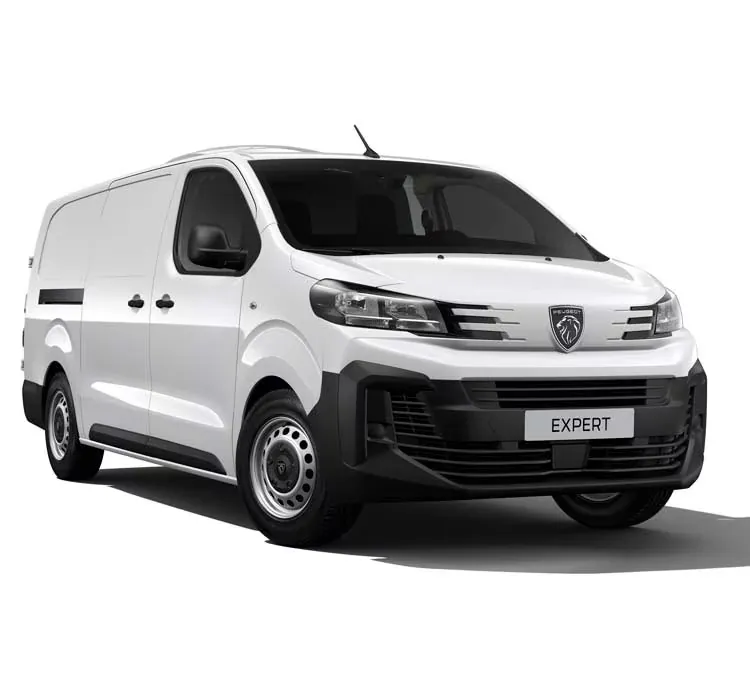
up to 205 miles
WLTP Range
up to 1,089kg
Max Payload
up to 6.6m³
Cargo Volume
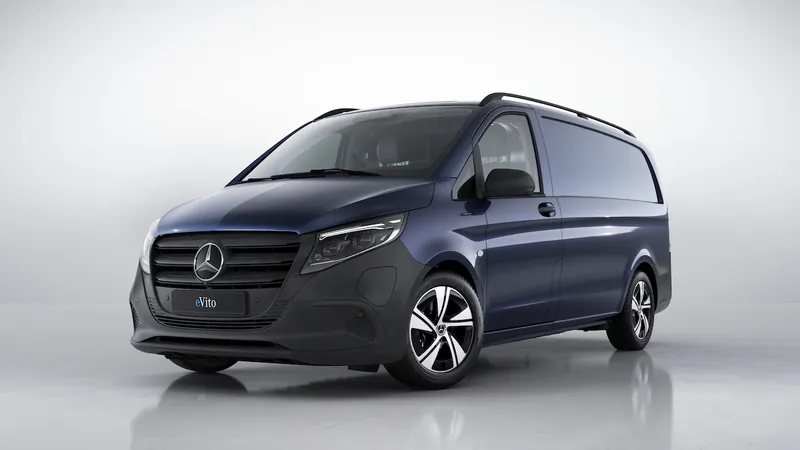
up to 194 miles
WLTP Range
up to 889kg
Max Payload
up to 6.6m³
Cargo Volume
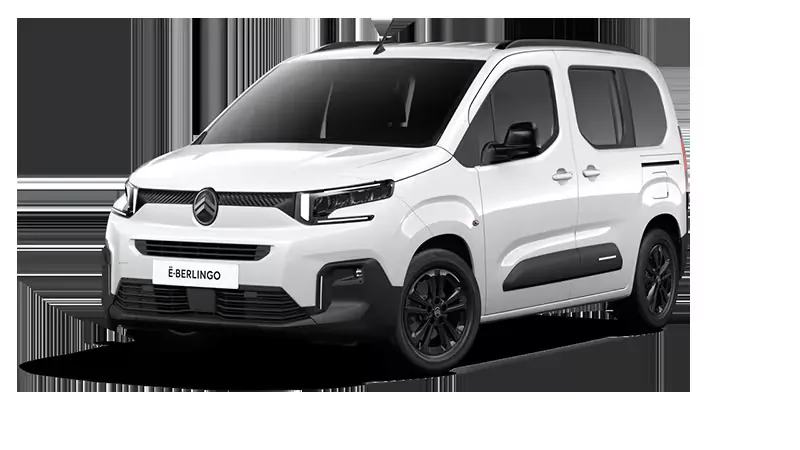
up to 170 miles
WLTP Range
up to 800kg
Max Payload
up to 4.4m³
Cargo Volume
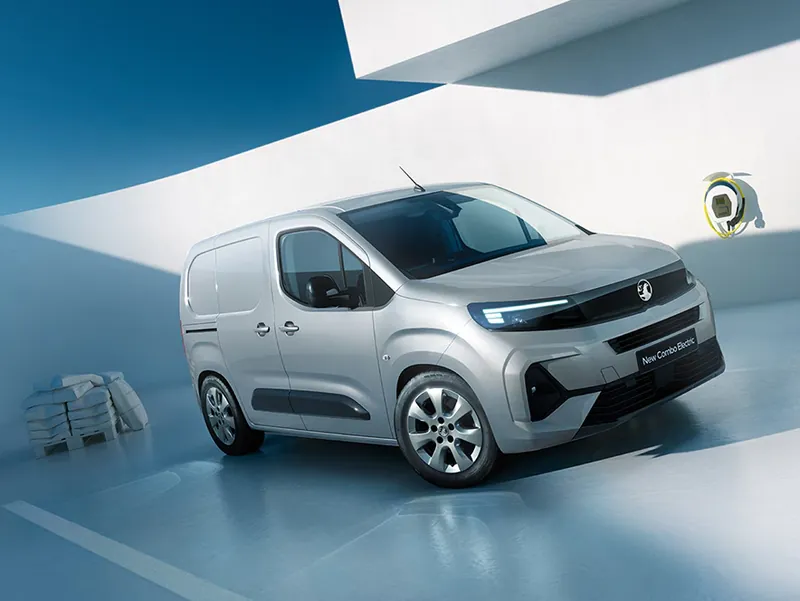
up to 170 miles
WLTP Range
up to 800kg
Max Payload
up to 4.4m³
Cargo Volume
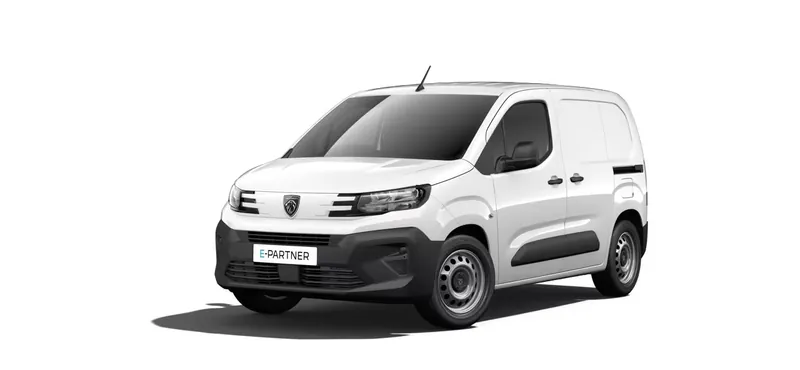
up to 170 miles
WLTP Range
up to 800kg
Max Payload
up to 4.4m³
Cargo Volume
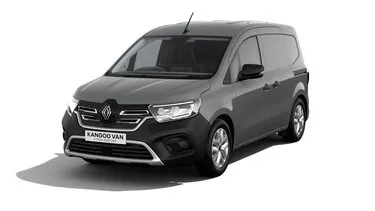
up to 186 miles
WLTP Range
up to 600kg
Max Payload
up to 4.9m³
Cargo Volume
All range, payload, and cargo figures are WLTP or manufacturer-published maximums. Actual figures vary by variant, body length, and battery option.
Figures from manufacturer UK websites. Last reviewed: June 2026. Range figures are WLTP. Payload and cargo volume are maximums and vary by variant.
More tools and guides for drivers and businesses going electric.
Government grants and setup guidance for charging at your business
OpenA practical guide to transitioning your business vehicles to electric
OpenCompare van insurance quotes from trusted UK insurers
OpenAll EV tools, guides, and comparisons in one place
OpenCommon questions about electric vans for business use.
Content produced by
Ryan is the founder of Brumble and has over a decade of experience in the UK motor finance and insurance industry. He created Brumble to make it easier for UK drivers to understand the insurance and finance world by cutting through the jargon.
Originally published: 17 June 2026 · Last updated: 18 June 2026

 EV Zone